


Free tool for Melbourne homeowners
Heating and Cooling Running Cost Calculator for Melbourne Homes
Estimate what your current system costs to run each season, compare it against a modern reverse cycle upgrade, and see where you could save. Uses current Victorian energy rates and takes about 30 seconds.
- ★★★★★ 5.0 on Google 47 reviews
- Licensed and insured
- 7 year installation guarantee
- 20+ years serving Melbourne
How the estimate works
The calculator estimates the energy your system draws to condition the area you selected, then prices it at Victorian rates. Every assumption is published here so you can judge the estimate for yourself.
System capacity
One room is modelled as 3.5 kW, a few rooms as 8 kW and a whole home as 15 kW of output, adjusted for your home type.
Run time
Systems cycle on and off to hold temperature, so we assume the compressor or burner works about 60 percent of the hours you pick.
Season length
A Melbourne winter is modelled as 120 heating days and summer as 90 cooling days.
Efficiency
A new reverse cycle system delivers about 4 kW of heat per kW of electricity. Older splits manage about 2.4 and gas ducted converts about 68 percent of its gas.
Energy rates
30 cents per kWh for electricity and 3.5 cents per MJ for gas by default. Both are editable in the calculator.
Rates last updated July 2026 from the Victorian Default Offer 2026-27 and typical Melbourne gas market offers. We review them every January and July.
Method, sources and review
We publish the working behind this tool rather than asking you to trust the number. The assumptions above are the ones the calculator actually uses. These are the sources they come from.
- Default electricity rateVictorian Default Offer (Essential Services Commission)
- Default gas rateTypical Melbourne retail gas offers (Market offers, reviewed twice yearly)
- Capacity, efficiency and performance figuresManufacturer specifications (Mitsubishi Electric, Daikin, Fujitsu, Panasonic, ActronAir, Brivis, Braemar)
What Melbourne homes typically pay
Using the same model at 8 hours a day, here is how the common setups compare across a season:
| System | Scenario | Season | Typical cost |
|---|---|---|---|
| Gas ducted heating | Whole home | Winter | $1,300 to $1,800 |
| Reverse cycle ducted | Whole home | Winter | $550 to $750 |
| Electric panel heater | One room | Winter | $500 to $700 |
| New reverse cycle split | One room | Winter | $120 to $180 |
| Reverse cycle ducted | Whole home | Summer | $450 to $600 |
| Evaporative cooling | Whole home | Summer | $180 to $250 |
Bands assume the default rates and typical efficiencies above. Your home will vary with insulation, ceiling height and system condition.
Split system or ducted: which costs less to run?
The cheapest system to run is the one that matches how much of your home you actually condition. Here is how the three main options compare:
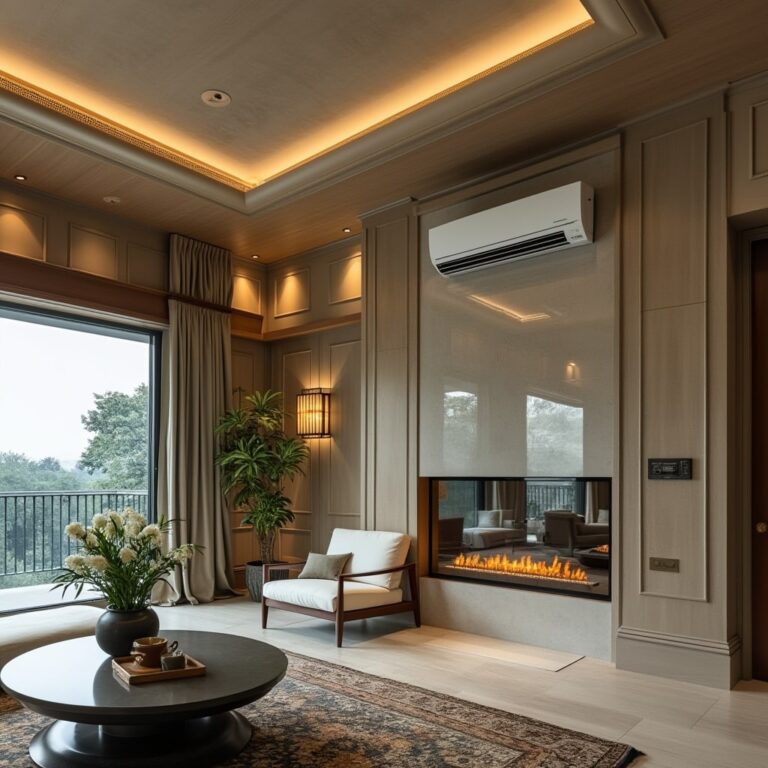
Split System
Best for one roomThe cheapest way to heat or cool a single room or open living area. A modern split system typically warms one room for about a quarter of what portable electric heaters cost.
Split system installation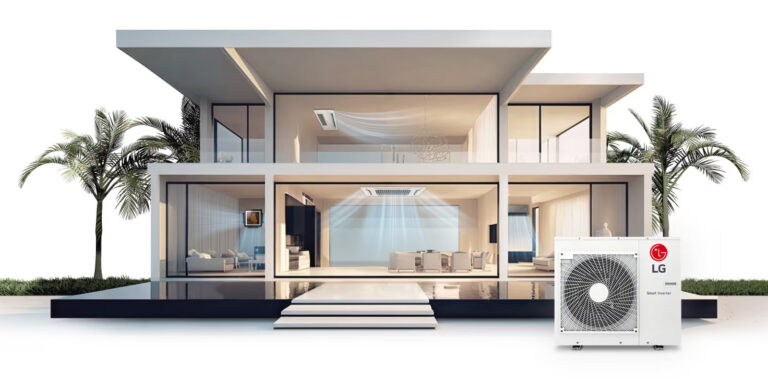
Multi Head Split
Best for 2 to 5 roomsConditions several rooms from one outdoor unit without any ductwork, which suits townhouses, apartments and homes where only some rooms need comfort.
Multi head split systems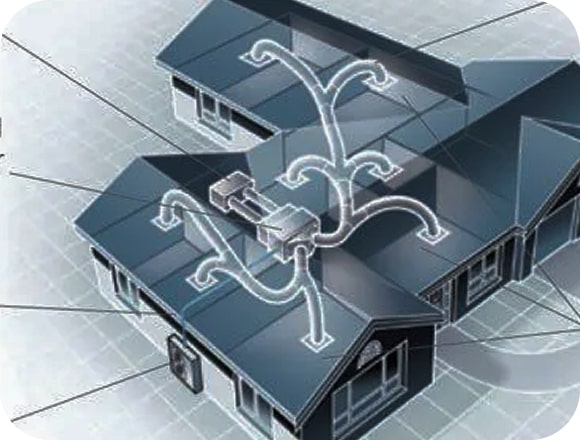
Reverse Cycle Ducted
Best for the whole homeOne system heating and cooling every room through ceiling vents. Zoning lets you run only the areas you need, which is where most of the savings come from.
Reverse cycle ducted systemsRunning gas ducted heating today? The calculator above shows what the same winter would cost on reverse cycle at current rates.
Melbourne homes and the VEU program
Melbourne's climate means most homes spend far more on winter heating than summer cooling, which is why the gas versus reverse cycle comparison matters so much here. Housing stock matters too: older weatherboards in suburbs like Brunswick lose heat faster than new builds in Rowville, and bayside apartments in St Kilda often need cooling and ventilation planned together.
If you are replacing gas ducted heating or old electric heaters with an efficient reverse cycle system, the Victorian Energy Upgrades program may reduce your upfront cost. Discounts change with the market, so ask our team for the current figure for your scenario when you book an assessment.
Frequently asked questions
How accurate is this calculator?
It is a realistic guide, not a quote. We use typical system efficiencies, Melbourne season lengths and current Victorian energy rates, and we publish every assumption on this page. Your actual costs depend on insulation, ceiling height, system age and your energy plan. For accurate numbers, book an assessment and we will size it properly.
What does a reverse cycle air conditioner cost to run in Melbourne?
A new split system heating or cooling one room typically costs around 15 to 30 cents an hour at current rates once the thermostat starts cycling. A whole home ducted reverse cycle system running 8 hours a day typically costs $550 to $750 across a Melbourne winter, which is roughly a third of the running cost of gas ducted heating for the same warmth.
Is gas ducted heating expensive to run?
It is usually the most expensive common option per unit of heat. Gas ducted systems convert roughly 60 to 90 percent of gas into delivered heat depending on their star rating, while a reverse cycle system delivers 3 to 5 units of heat per unit of electricity. At 2026 Victorian rates, that efficiency gap outweighs the difference between gas and electricity prices for most homes.
Can I get a rebate for upgrading my heating?
Often, yes. The Victorian Energy Upgrades program offers discounts when you replace gas or inefficient electric heating with an approved high efficiency reverse cycle system, and larger discounts can apply for concession card holders. Eligibility is confirmed by an accredited provider, so ask our team to check your scenario.
What size system do I need?
As a rough rule, allow 0.12 to 0.15 kW of capacity per square metre of room, more for high ceilings or full afternoon sun. Sizing matters more than brand for running costs: an undersized unit runs flat out and an oversized one cycles inefficiently. Final sizing should always be confirmed by a licensed installer, which is part of every Climate Control Solutions assessment. Try the size calculator.
Ready for accurate numbers for your home?
Your estimate is a guide only. For exact system sizing, installation options, current VEU discounts and running cost advice, book a local heating and cooling assessment with Climate Control Solutions.
Book your free assessment Or see our repairs and maintenance services Or call 0412 769 022