


Free tool for Australian homes
Heat Pump Size Calculator for Australian Homes
Work out what size heat pump your room needs to heat and cool it well. Enter the room details for a recommended kW size, sized on the heating load because that is what usually governs in a Melbourne winter.
- ★★★★★ 5.0 on Google 47 reviews
- Licensed and insured
- 7 year installation guarantee
- 20+ years serving Melbourne
A heat pump for heating and cooling is a reverse cycle air conditioner: same technology, both words describe it. This tool sizes space heating and cooling heat pumps. It does not size hot water heat pumps, which are a separate product.
How heat pump sizing works
Heat pump sizing starts with floor area and adjusts for everything that adds or loses heat. Because this is a heating focused tool, it sizes on the heating load, which in Melbourne is usually the larger of the two and the one that governs:
Floor area and use
The base is about 115 watts per square metre for a bedroom, rising to 150 for open plan living with a kitchen.
Heating load governs
A Melbourne winter typically demands more capacity than summer, so we size on heating, about 10 percent above the cooling load.
Ceiling and exposure
High or raked ceilings, cold south facing rooms and lots of glass all raise the load the heat pump has to cover.
Insulation
Good insulation keeps warmth in and trims the size needed. Older uninsulated homes lose heat fast and need more.
The result is matched to the closest common heat pump size: 2.5, 3.5, 5.0, 6.0, 7.1, 8.0 or 9.2 kW. These are heating and cooling output figures, not the electricity the unit draws. A good heat pump delivers 3 to 5 units of heat per unit of power, which is why it is the cheapest way to heat.
Method reviewed July 2026. For pure cooling sizing, the air conditioner size calculator sizes the same units on the cooling load instead.
Method, sources and review
We publish the working behind this tool rather than asking you to trust the number. The assumptions above are the ones the calculator actually uses. These are the sources they come from.
- Capacity, efficiency and performance figuresManufacturer specifications (Mitsubishi Electric, Daikin, Fujitsu, Panasonic, ActronAir, Brivis, Braemar)
- Sizing recommendationsMelbourne heating and cooling loads (Climate zone 6, heating dominant)
What size heat pump for each room?
Typical Melbourne rooms with average insulation and exposure, sized on the heating load:
| Room | Typical size | Heat pump size |
|---|---|---|
| Bedroom or study | 9 to 14 sqm | 2.5 kW |
| Large bedroom or small living room | 15 to 20 sqm | 3.5 kW |
| Living room | 21 to 30 sqm | 5.0 kW |
| Large living and dining | 31 to 40 sqm | 6.0 kW |
| Open plan living and kitchen | 41 to 60 sqm | 7.1 to 9.2 kW |
| Whole home or several rooms | Over 60 sqm | Ducted or multi head |
Heat pump sizes run a little larger than a pure cooling recommendation for the same room, because the heating load governs. High ceilings, cold rooms or poor insulation push a room up to the next size, which the calculator adjusts for.
Heat pump or reverse cycle: same thing?
For heating and cooling a home, yes. A reverse cycle air conditioner is a heat pump: in winter it pulls warmth from the outside air and moves it inside, and in summer it runs the other way. Because it moves heat rather than burning fuel or using an element, it delivers 3 to 5 kilowatts of heat for every kilowatt of electricity, which is why the Victorian Government backs the switch from gas.
Two things people often mix up:
- Space heating heat pumps are what this tool sizes: split systems, multi head and ducted reverse cycle that heat and cool your rooms, rated in kW.
- Hot water heat pumps are a different product that heats your water tank, rated in litres. CCS does not install those, and this calculator does not size them.
If you are switching off gas ducted heating, a reverse cycle heat pump is the direct replacement. See how the running costs compare with our running cost calculator, and read our guide on going from gas to electric in Victoria.
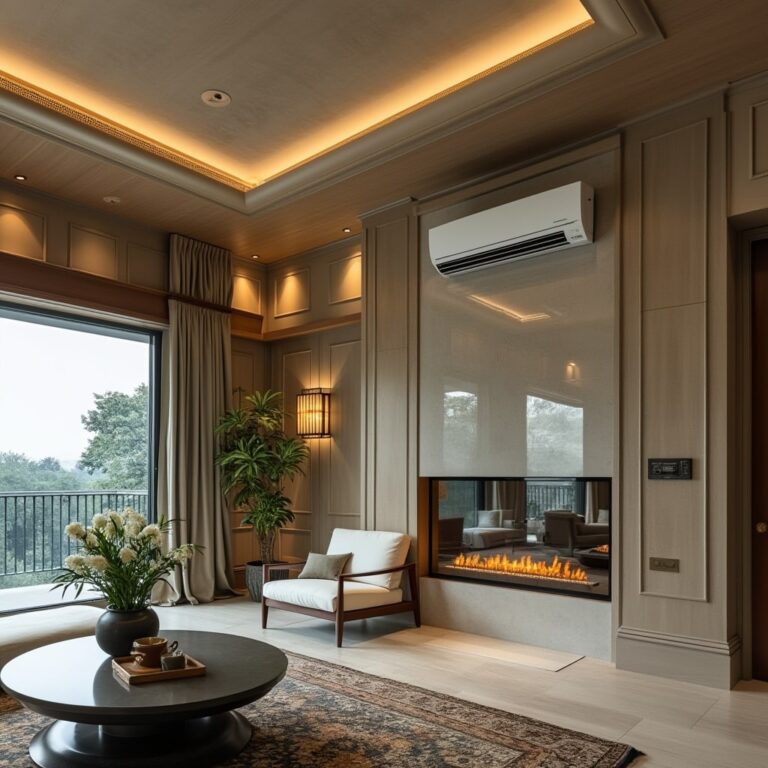
Why the right size matters for a heat pump
Sizing matters more than brand for a heat pump, and heating makes it stricter than cooling: a heat pump loses some capacity on the coldest mornings, exactly when you need it most. Both directions of getting it wrong cost you:
Too small
- Cannot hold temperature on the coldest Melbourne mornings, when capacity drops
- Runs flat out through winter, using more power and wearing faster
- Leaves you reaching for a second heater, which erases the running cost saving
Too big
- Short cycles on and off, which wastes energy and feels drafty
- Costs more upfront for capacity you rarely use
- Dehumidifies poorly in summer because it never runs long enough
The right size runs steadily, holds temperature through a cold snap and sips power. An installer confirms it by checking the unit's rated capacity at low outdoor temperatures, not just its headline kW.
Know your size? Here is what comes next
Frequently asked questions
What size heat pump do I need for my house?
It depends on the room or area you are heating, not the whole house at once. As a guide, allow about 115 to 150 watts of heating capacity per square metre, more for high ceilings, cold rooms or poor insulation. A single bedroom suits 2.5 kW, a living room 5.0 to 6.0 kW, and a whole home usually moves to a ducted or multi head system. Enter your room above for a tailored size.
Is a heat pump the same as a reverse cycle air conditioner?
For heating and cooling a home, yes. A reverse cycle air conditioner is a heat pump: it moves heat into your home in winter and out in summer. Split systems, multi head and ducted reverse cycle systems are all heat pumps. A hot water heat pump is a separate product that heats a water tank, which this calculator does not size.
Do heat pumps work in a Melbourne winter?
Yes. Modern reverse cycle heat pumps are rated to keep heating well below zero, which covers Melbourne winters comfortably. Capacity does dip on the very coldest mornings, so the honest approach is to size on the heating load, as this calculator does, and to check the unit's rated capacity at low outdoor temperatures before you buy.
How many kW heat pump do I need per square metre?
A common rule for Melbourne is around 0.13 to 0.15 kW of heating capacity per square metre for a typical room, before adjusting for ceiling height, sun, insulation and glass. So a 24 square metre living room lands around 5 to 6 kW once those factors are included. The calculator does this maths for your exact room.
Should a heat pump be sized for heating or cooling?
in a cool climate like Melbourne, size for heating. Winter demand is longer and harsher than summer, so the heating load usually governs and is about 10 percent above the cooling load for the same room. This calculator sizes on heating for that reason. in hot northern climates cooling governs instead, which is what our air conditioner size calculator assumes.
Ready for a properly sized heat pump quote?
Your result is a guide only. Our team confirms sizing on site, checks the unit's capacity on the coldest mornings, includes any VEU rebate, and quotes the right heat pump for your home, not the biggest one.
Book your free assessment Or call 0412 769 022.